
Testosterone Replacement Therapy Benefits: Testosterone Benefits
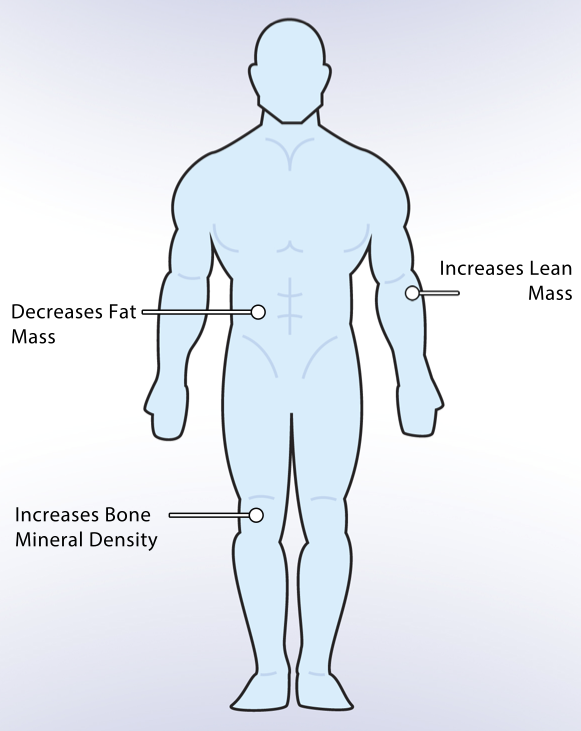
Testosterone replacement therapy (TRT) in men with low testosterone has consistently shown to produce positive benefits with minimal side effects. Testosterone benefits include decreases in fat mass, increases in lean body mass, and increases in bone mineral density. Learn more about these specific positive benefits below.
While significant positive benefits are associated with TRT, certain effects have not been conclusively established. While TRT is usually well tolerated as long as testosterone is kept within normal, physiologic levels, side effects can occur. It is important for you and your physician to be aware of the following potential side effects. (See Testosterone Side Effects)
Testosterone Benefits: Testosterone Replacement Therapy and Lean Body Mass
Testosterone replacement therapy produces a moderate increase in lean body mass (muscle mass) in men with low testosterone associated with aging.1-9
Why’s That Important?
 As a man ages, he loses muscle mass, typically about 0.5- 1.0% per year after the age of 40. This loss becomes progressively faster after the age of 40 and is even worse if he has low testosterone associated with aging.10 Muscle mass contributes a great deal to resting metabolism.
 The increase in muscle mass brought about by testosterone replacement therapy can be highly beneficial, as it increases your lean body mass and thus raises your metabolism. The higher your resting metabolism, the more calories you burn at rest and the less likely you will be to put on excess fat. Don’t worry about becoming muscle bound. TRT users typically gain between three and six pounds of lean muscle mass in the first six months of treatment.1-7 Once testosterone levels are stabilized within normal range, increases in muscle mass typically taper off. This usually occurs after about 6 months of treatment. So, you will have more muscle mass but not too much more muscle.
Expanded Detailed Explanation
In trials of TRT for elderly men, its effects on body composition (muscle mass and fat mass) and strength have been the most extensively studied area. Studies show that testosterone administered to men with low testosterone levels has a tendency to increase lean body mass.1-9 These results occur over a wide array of administration methods, including transdermal creams,3 scrotal patches,4 oral pills,5and intramuscular injections.1,2,6,7 This result is not surprising considering exogenous androgen administration has myotrophic (muscle building) effects, including protein synthesis, increasing muscle fiber cross-sectional area, and reducing muscle degradation.6
Testosterone Benefits: Testosterone Replacement Therapy (TRT) and Fat Mass
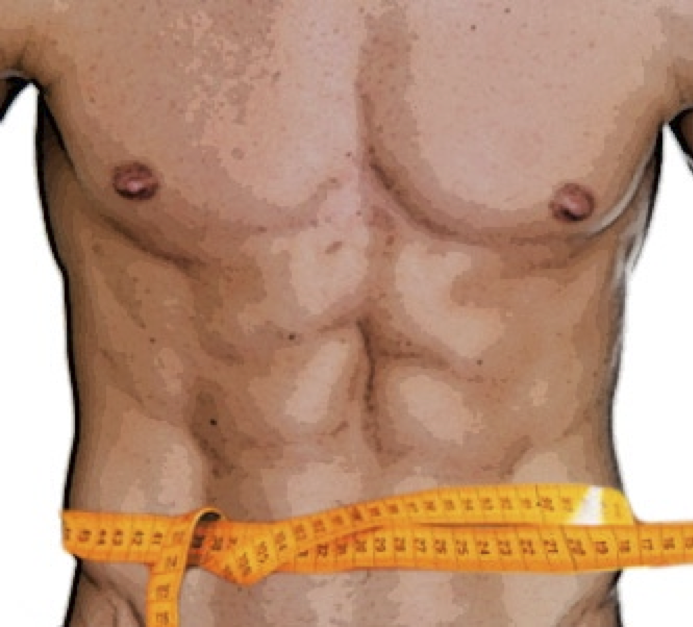
Testosterone replacement therapy (TRT) produces a moderate decrease in fat mass in elderly men with low testosterone associated with aging.1,3-7,11-14 Typical fat loses range between 5-10 pounds in the first 6 months of treatment.
Why’s That Important?
As men age, they typically gains fat mass, especially abdominal (AKA visceral) fat. Besides giving you an undesirable gut, this increase in visceral fat ultimately increases the incidence of cardiovascular problems, potentially leading to reduced quality of life and life expectancy. Testosterone therapy for men with low testosterone can keep you thinner and healthier since long-term studies consistently show a decrease in fat mass.

Expanded Detailed Explanation
In trials on TRT for elderly men, the effects on body composition and strength have been the most extensively studied area. Studies indicate that testosterone administration in men with low testosterone consistently decreases fat mass with rare exceptions. 1,3-7,11-15 A large number of studies have documented that visceral obesity is associated with low total testosterone levels.16-19 Returning testosterone to normal physiological levels with TRT may reverse this fat deposition while simultaneously increasing muscle mass.
Testosterone Benefits: Testosterone Replacement Therapy (TRT) and Bone Mineral Density
 Evidence shows that testosterone replacement therapy may slow or even reverse the loss of bone mineral density due to decreased testosterone levels associated with aging.4,21-24
Why is Bone Mineral Density Important?
As men, we are not keen on admitting our weaknesses. Whether or not we want to admit it, osteoporosis and consequent fractures are NOT just a women’s health problem. This problem belongs to men just as it does to women. Hip fractures are not uncommon for men over the age of 65.22,23 Not only will a hip fracture or a fracture of another bone cause you to lose your functional independence, but it will also significantly increase your likelihood of death, particularly within one year of the fracture.7

Expanded Detailed Explanation
Many studies show that testosterone replacement therapy in men with low testosterone prevents bone loss.4,21-24 These studies showed an increase in bone mineral density at the lumbar spine compared to placebo controlled groups. One study reported no change in bone mineral density in the group receiving testosterone replacement therapy but a small significant decline in bone mineral density in the placebo group.3 Thus, testosterone replacement resulted in an overall positive treatment. It also shows that, while testosterone replacement therapy may not increase bone mineral density, it may prevent decreases in bone mineral density.
The effect of testosterone replacement therapy on fracture rates is unknown because data is not available. Nevertheless, testosterone replacement therapy clearly provides a positive effect on bone mineral density in men with significantly reduced testosterone levels and men under chronic treatment with glucocorticoids.